Why Your Evenings Shape Your Mornings
Good sleep often starts hours before bedtime. Explore the small evening cues that help your body settle down.
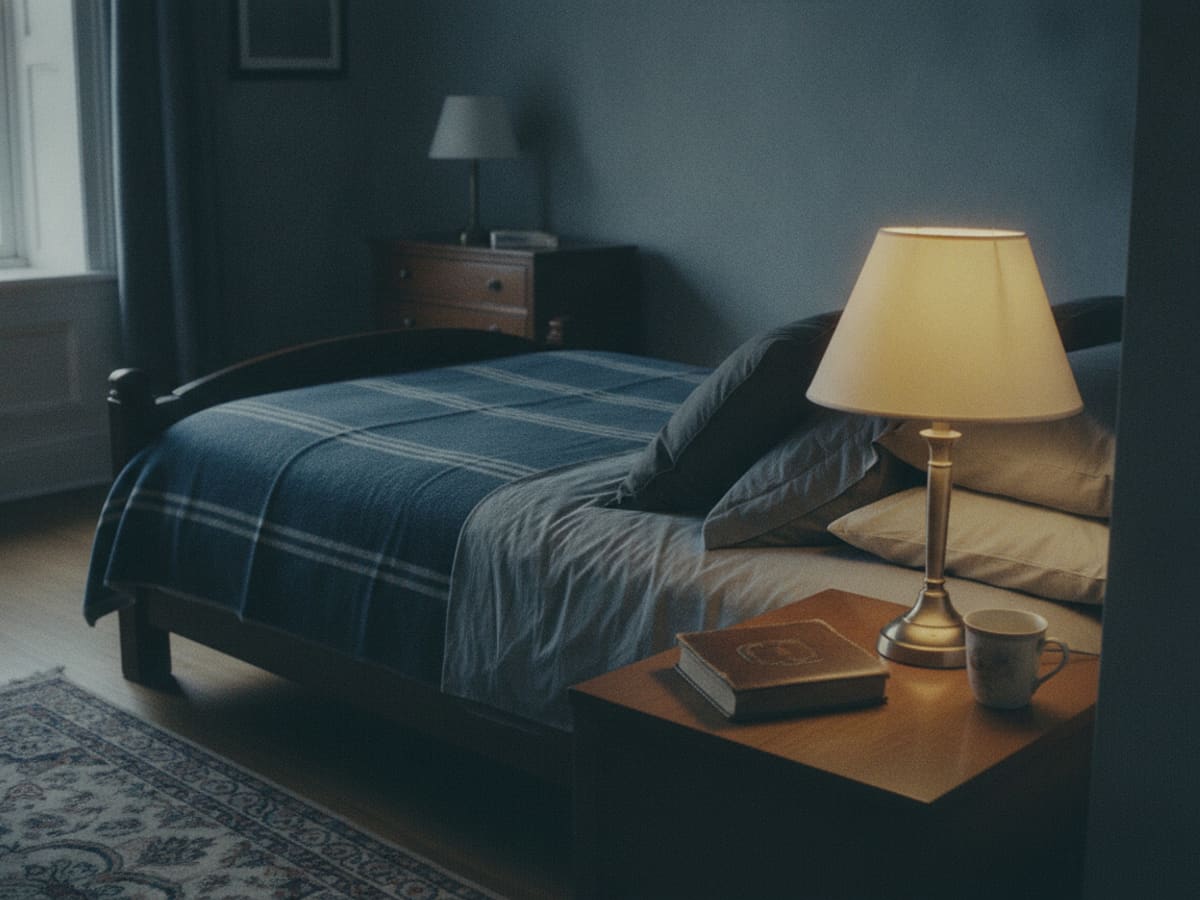
Most of us think of sleep as something that happens at night. In practice, it starts hours earlier. What you do after dinner, and even in the late afternoon, sends signals to your body about whether it's time to wind down or keep going.
How the body's clock works
Your body runs on an internal clock, often called the circadian rhythm. It follows a roughly daily cycle that influences when you feel alert, when you feel sleepy, and even when you feel hungry. Light is its strongest cue. Bright light in the morning and daytime tells your body it's time to be awake. Dim light in the evening helps signal that night is coming.
Your body also builds up a kind of "sleep pressure" the longer you stay awake. By evening, that pressure and your internal clock ideally line up, and you start to feel drowsy. When they don't, you may feel wired at bedtime or wide awake at midnight.
The clock likes regularity. Going to bed and getting up at similar times, including on weekends, helps it keep a steady rhythm. You don't have to be perfect. Staying roughly consistent is enough to help.
Light, screens, and the wind-down hour
Because light is such a strong signal, your evening lighting matters. Bright overhead lights and glowing screens can tell your body it's still daytime. Content matters too. A tense email, a heated news story, or an exciting show can keep your mind busy long after the screen is off.
You don't need to throw out every device. A few small changes can help:
- Dim the lights in your home as the evening goes on. Lamps are gentler than overhead fixtures.
- Turn down screen brightness, and use any built-in night setting your device has.
- Set a "last look" time for work messages and social media.
- Keep your phone out of reach of the bed, or at least face down and silent.
Try to leave a stretch of time before bed, an hour or so if you can, for slowing down. It doesn't have to be fancy. It's simply a buffer between your busy day and your pillow.
Building a short bedtime ritual
A ritual works because repetition teaches your brain what comes next. Do the same few things in the same order most nights, and your body starts to read them as a cue for sleep.
Keep it short and easy enough that you'll actually do it. Here's one way to build it:
- Pick a regular time to start winding down, and set a gentle reminder if it helps.
- Take care of tomorrow's small tasks, such as laying out clothes or jotting down a to-do list, so they aren't circling in your head.
- Do your usual hygiene routine, such as washing your face and brushing your teeth.
- Choose one calming activity: reading a few pages of a paper book, light stretching, a warm shower, or quiet music.
- Get into bed when you feel sleepy, with the room cool, dark, and quiet.
If your mind races, try writing down whatever is on it. A list on paper is easier to set aside than a list in your head.
Caffeine, meals, and timing
Caffeine is a stimulant, and its effects can last longer than you'd expect. For many people, an afternoon or evening cup of coffee, tea, or soda can make it harder to fall asleep or stay asleep. Everyone responds differently, so pay attention to your own pattern. If you suspect caffeine is getting in the way, try moving your last cup earlier in the day and see how you feel.
Meals matter too. Going to bed very hungry can be distracting, and so can going to bed after a large, heavy meal. Many people do better with a moderate dinner earlier in the evening and, if needed, a light snack later.
Alcohol is another one to be aware of. It may make you feel drowsy at first, but it can make sleep lighter and more broken later in the night.
Regular movement during the day can support better sleep as well. Very hard exercise close to bedtime bothers some people, while gentle movement such as a walk after dinner tends to be easy on the body. Again, notice what works for you.
When sleep trouble deserves a professional's attention
Everyone has an occasional bad night. A stressful week, travel, or a noisy neighbor can throw things off for a while. But if sleep problems keep showing up, it's worth getting some help.
Small evening changes are a good place to start, and they cost nothing. But they aren't a substitute for professional advice when something more may be going on. A clinician can look at the whole picture, including your health, medications, and habits, and help you decide what to do next.